Gas Line Capping in Annapolis, MD
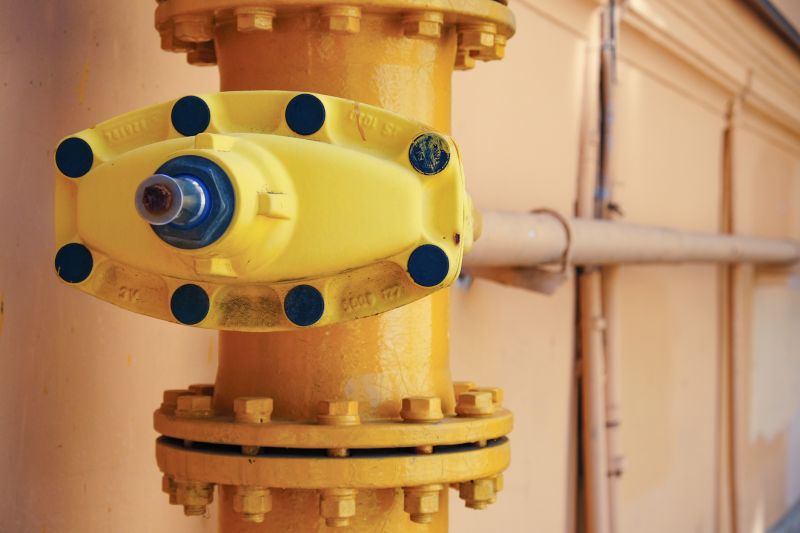
Gas line capping services involve safely sealing off existing gas lines that are no longer in use or need to be temporarily disconnected. This process is commonly required during home renovations, appliance upgrades, or when removing outdated appliances connected to the gas system. Property owners typically request gas line capping to ensure safety, prevent leaks, and comply with local regulations when a gas line is no longer needed or is being rerouted. It is important to understand the location and condition of the existing gas lines, as well as any specific codes or permits required in the area, before requesting capping services.
Before proceeding with gas line capping, homeowners should consider the purpose of the project and whether the line will be permanently shut off or temporarily sealed. Proper identification of the gas line’s location and ensuring that the service is turned off at the main supply are essential steps. Property owners should also inquire about the scope of work, including whether additional repairs or inspections are needed, and confirm that the work will meet all safety standards and local regulations. Clear communication about these details can help ensure a smooth and compliant process.
Many property owners in Annapolis, MD look into Gas Line Capping for repairs, replacements, upgrades, and appearance-related improvements.
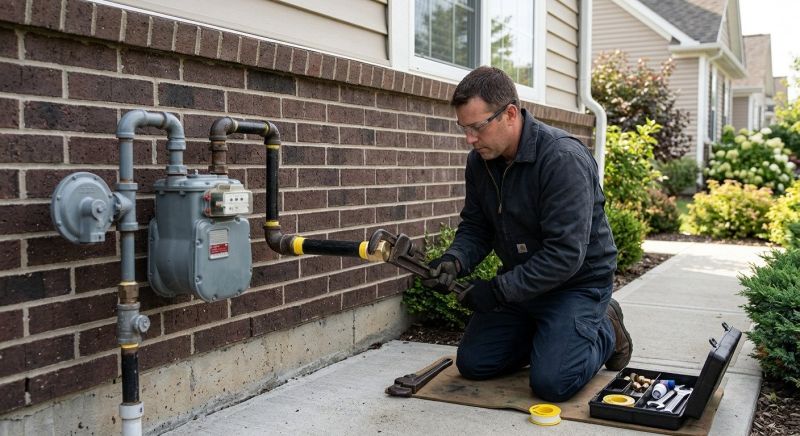
Gas Line Termination
Proper capping ensures safety when gas lines are no longer in use or need to be temporarily shut off.
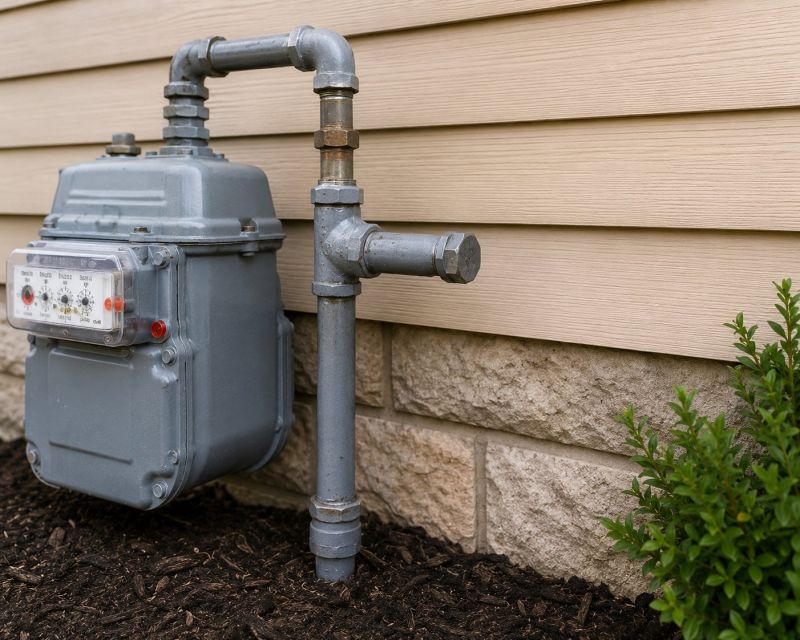
Hazard Prevention
Capping gas lines helps prevent leaks, accidental discharges, and potential fire hazards on residential properties.
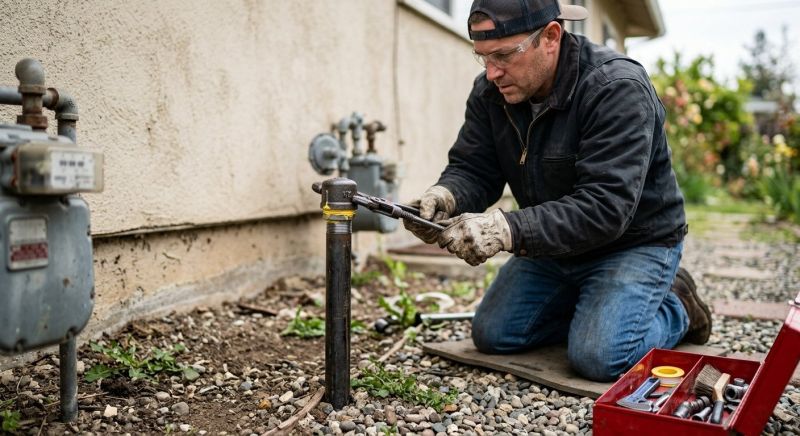
Property Safety Measures
Securely capped gas lines contribute to the overall safety of homes and commercial buildings in annapolis, md.
Gas Line Capping in Annapolis, MD
Gas line capping services involve safely sealing off existing gas lines that are no longer in use or need to be temporarily disconnected. This process is commonly required during home renovations, appliance upgrades, or when removing outdated appliances connected to the gas system. Property owners typically request gas line capping to ensure safety, prevent leaks, and comply with local regulations when a gas line is no longer needed or is being rerouted. It is important to understand the location and condition of the existing gas lines, as well as any specific codes or permits required in the area, before requesting capping services.
Before proceeding with gas line capping, homeowners should consider the purpose of the project and whether the line will be permanently shut off or temporarily sealed. Proper identification of the gas line’s location and ensuring that the service is turned off at the main supply are essential steps. Property owners should also inquire about the scope of work, including whether additional repairs or inspections are needed, and confirm that the work will meet all safety standards and local regulations. Clear communication about these details can help ensure a smooth and compliant process.
Many property owners in Annapolis, MD look into Gas Line Capping for repairs, replacements, upgrades, and appearance-related improvements.
Common Gas Line Capping Jobs
Gas Line Capping - Safely seals unused gas lines to prevent leaks and ensure property safety.
Home Renovation Projects - Properly capped gas lines are essential during kitchen or basement remodels.
Property Decommissioning - Capping gas lines is a key step when removing or abandoning old appliances.
Emergency Repairs - Immediate capping services address damaged or compromised gas lines.
New Construction - Gas line capping prepares the site for future appliances and connections.
Gas Line Inspection - Capping is part of routine checks to confirm line integrity and safety.
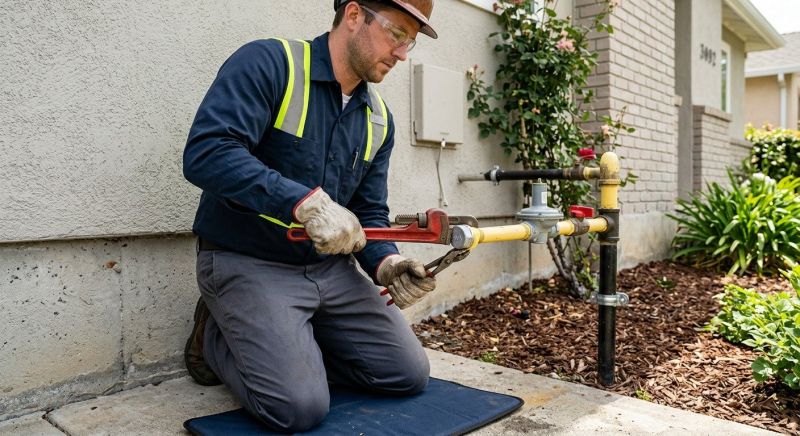
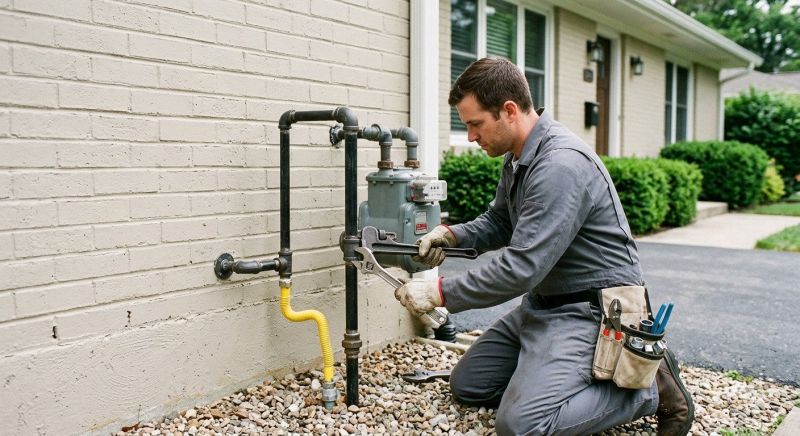
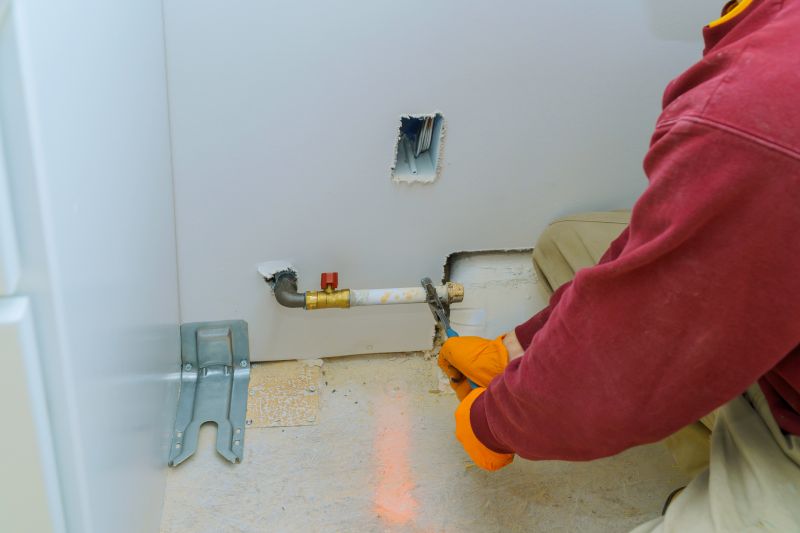
Gas Line Capping Questions
What is gas line capping? Gas line capping involves sealing off an unused or disconnected gas line to prevent leaks and ensure safety.
When is gas line capping needed? It is typically required during property renovations, line repairs, or when a gas appliance is removed or replaced.
Is gas line capping safe? Properly performed capping reduces the risk of gas leaks and related hazards, making it a safe measure for property safety.
What should property owners know before gas line capping? It's important to ensure the work is done correctly to prevent gas leaks and comply with local safety standards.
Request Gas Line Capping in Annapolis, MD
Use the quote form on this page to share the basics of your project and request more information for the type of work you need.